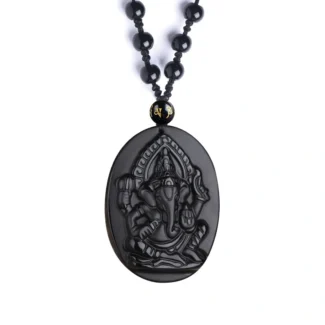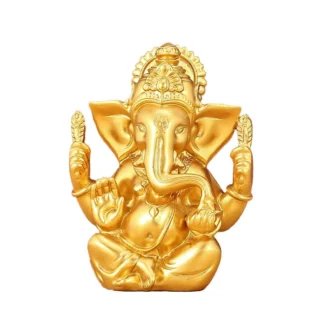


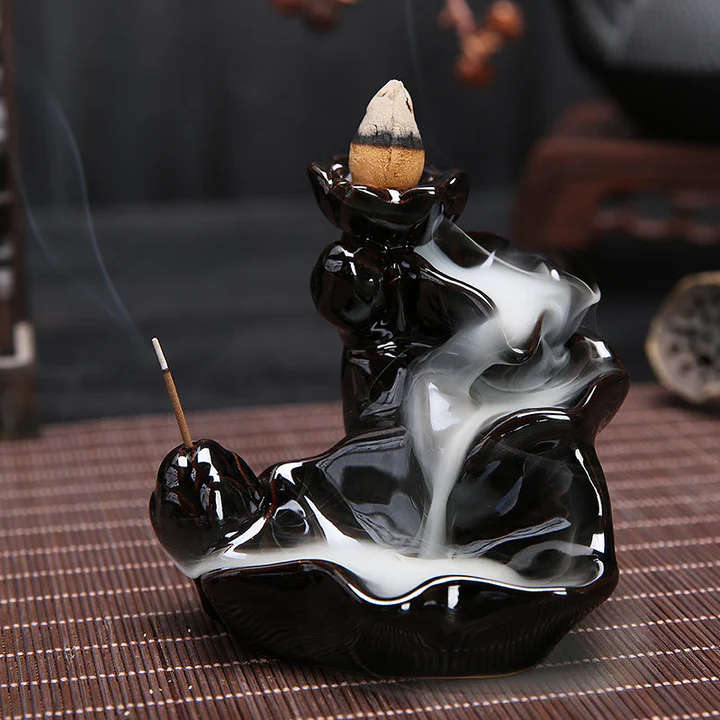
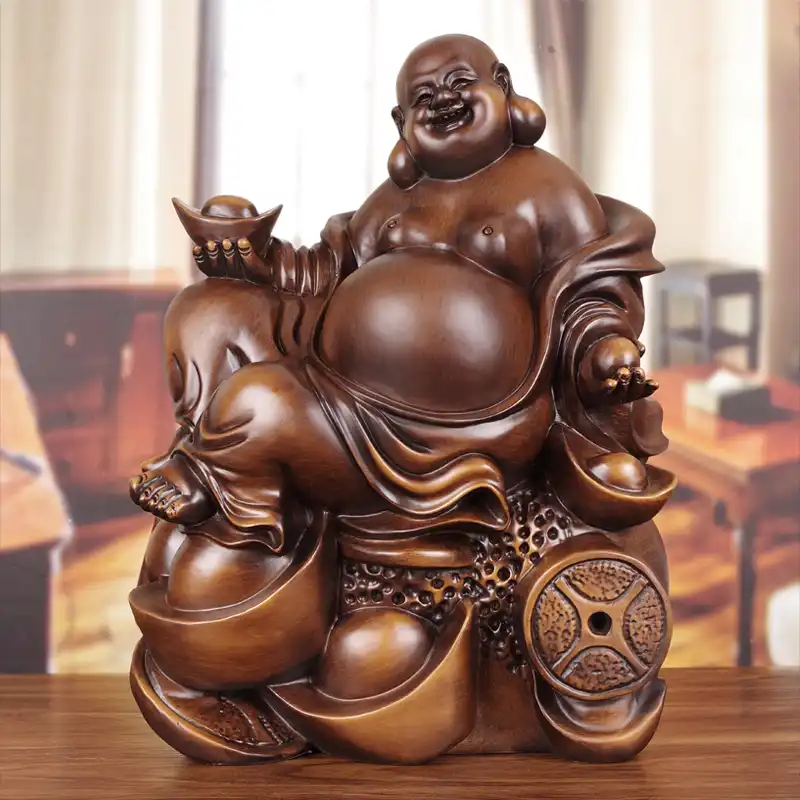

To properly prepare your home altar for 2026, you must cleanse the sacred space and deities with purified water, arrange them according to the year’s specific Feng Shui energies, and activate the altar with fresh offerings and incense on an auspicious date before the Lunar New Year. This annual ritual is not merely cleaning; it is a profound act of spiritual renewal. Through years of guiding rituals, we’ve found that this process clears away the stagnant energy of the past year, shows reverence to the deities, and consecrates your space to attract prosperity, health, and good fortune for the incoming Year of the Horse.
Preparation Essentials Quick Summary
- ✨ Auspicious Date: A pre-selected date for cleansing from a reliable Feng Shui almanac.
- 🧼 Cleansing Tools: A new basin, fresh pomelo leaves (or essence), and a new, dedicated microfiber cloth.
- 🕯️ Activation Items: High-grade sandalwood incense, red candles or oil lamps.
- 🍊 Fresh Offerings: A selection of 3 or 5 types of vibrant, unblemished fruits (like oranges and apples).
- 🌸 Auspicious Flowers: A fresh bouquet of orchids, peonies, or chrysanthemums.
- 🍵 Offering Cups: Three small cups for fresh tea or water.
- 🛡️ 2026 Cures: Any specific Feng Shui enhancers needed for the Year of the Horse.
Table of Contents
Checklist: Essential Tools for Your 2026 Altar Renewal
Gathering your tools beforehand makes the entire ritual smooth and respectful. In our studio, we always lay out every item on a clean surface before beginning, transforming the preparation itself into a mindful practice. This ensures you are not scrambling for items mid-ritual, which can disrupt the focused, serene energy you are trying to cultivate.
- 🧭 An auspicious date chosen from a trusted source, such as the World of Feng Shui almanac. This is your starting point.
- 🧼 A new, clean basin or bowl, preferably made of ceramic or metal, not plastic.
- 🌿 Fresh pomelo leaves, or a high-quality pomelo leaf essence if fresh leaves are unavailable. The pomelo is revered for its ability to dispel negative Qi (氣).
- 🕊️ A new, unused microfiber cloth or soft towel. This cloth should be reserved *only* for cleaning your deities and sacred objects, never for general household use.
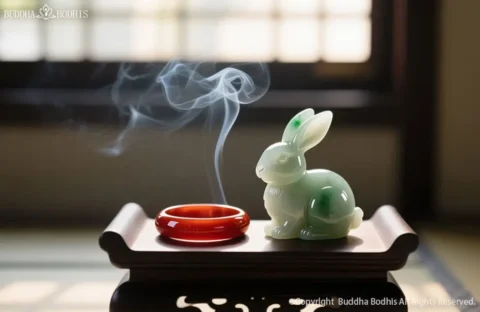
- 🕯️ Sandalwood or other high-grade incense sticks and red candles or oil lamps to invite yang energy.
- 🍎 A beautiful selection of fresh, vibrant offerings. Oranges (for wealth), apples (for peace), and pomelos (for family unity) are excellent choices.
- 🌺 A bouquet of fresh, auspicious flowers. We recommend orchids for purity, chrysanthemums for longevity, or peonies for romance and prosperity.
- 💧 Three offering cups for tea or water, to be refreshed daily.
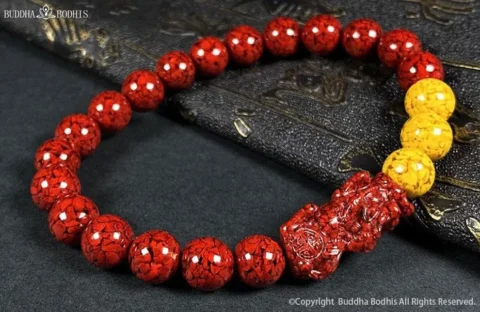
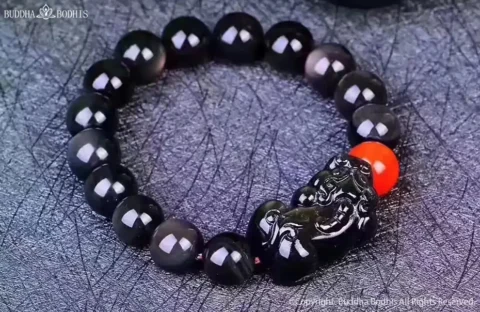
- 🐴 Any specific 2026 Feng Shui cures or enhancers you plan to use. As 2026 is the Year of the Horse, you may wish to see YEAR OF THE HORSE 2026 picks for 2026 to find resonant items.
Step-by-Step Guide to Consecrating Your Home Altar
This process is broken down into six key milestones. We recommend completing Milestones 1 through 4 on your chosen cleansing day, and Milestones 5 and 6 on Lunar New Year’s Eve or Day itself. Approach each step with patience and a calm heart.
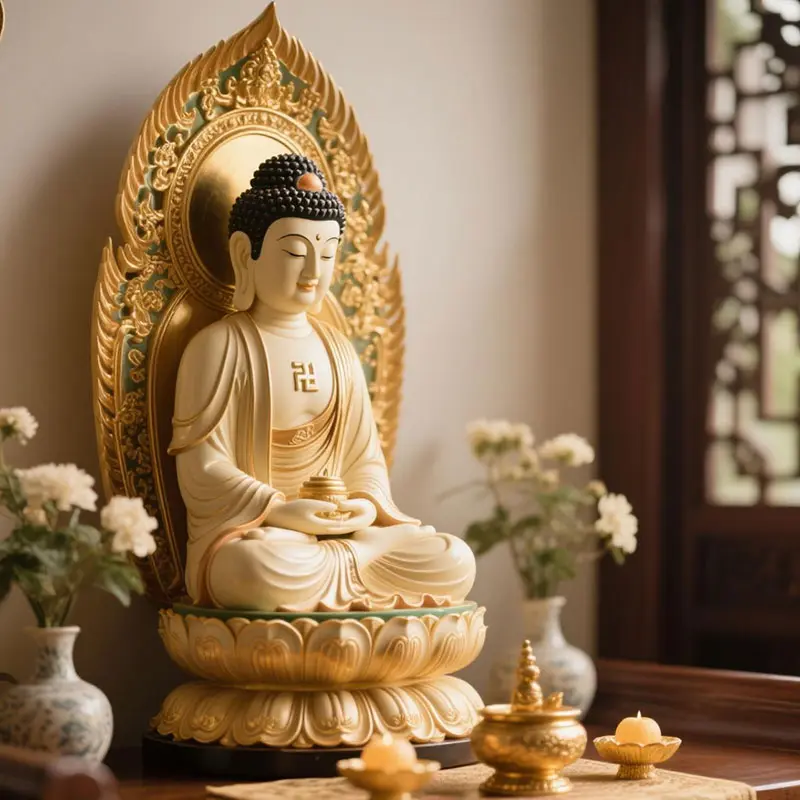
Milestone 1: Selecting an Auspicious Date for Cleansing
The first step is timing. The cleansing ritual, often called “sending the deities off,” is typically performed in the final weeks of the outgoing lunar year. This is a symbolic act of allowing the deities to ascend and report on the household’s conduct for the year.
- Consult a Feng Shui almanac or a trusted practitioner to find a “cleaning day” or “spirit-cleansing day.” These are specifically designated for such activities.
- Ensure the chosen date does not clash with the zodiac sign of the head of the household. Most almanacs will provide this information.
- Mark this date clearly and plan to have a few quiet hours to perform the ritual without interruption.
Milestone 2: The Sacred Cleansing Ritual with Pomelo Leaf Water
This is the physical and energetic core of the preparation. Your state of mind is crucial here; you are not just cleaning dust, you are purifying a sacred vessel.
- Begin by purifying yourself. Take a bath or shower and change into clean, comfortable clothes. Maintain a peaceful and respectful mindset.
- Fill your new basin with clean, fresh water. Add the fresh pomelo leaves, gently crushing them in your hands to release their essence, or add a few drops of pomelo oil.
- Stand before your altar, clasp your hands, and state your intention aloud. For example: “With respect, I invite the benevolent spirits and deities to please step aside for a short while as I cleanse and prepare your home to welcome the new year’s blessings.”
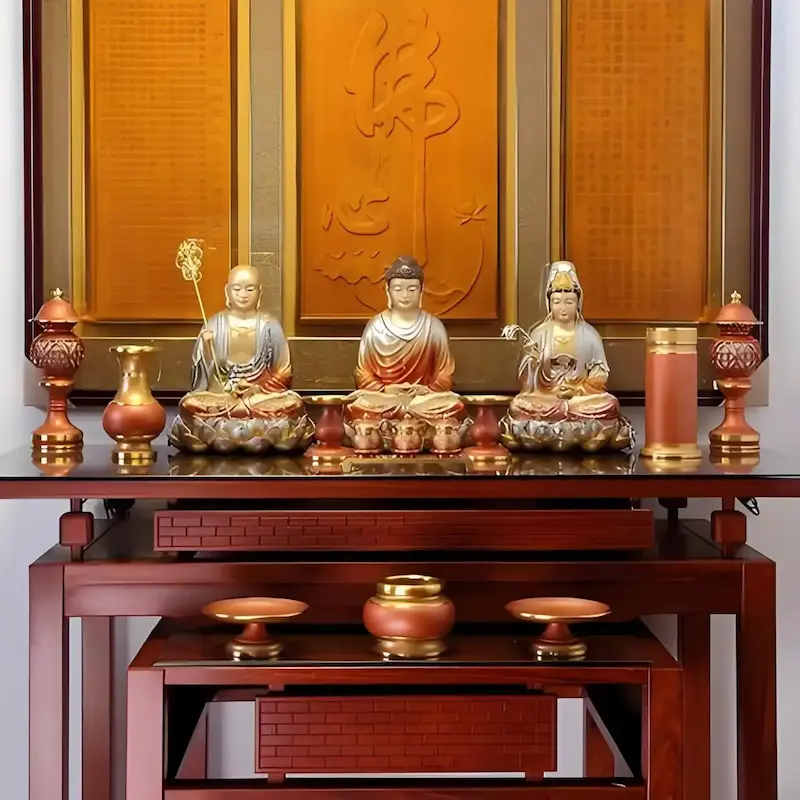
- Carefully and respectfully remove all items from the altar—statues, incense burners, offering plates, and cups. Place them on a clean cloth you’ve laid out nearby.
- Dip a separate, clean cloth into the pomelo water and wipe down the entire altar table. Start from the top and work your way down, cleaning every surface.
- Now, take your new, dedicated towel. Moisten it with the pomelo water and, with utmost care, gently wipe each deity statue. Start with the highest-ranking deity and proceed in order of importance. This is an act of devotion.
Milestone 3: Correct Arrangement of Deities and 2026 Feng Shui Cures
Once everything is clean, the re-assembly is about establishing a powerful and harmonious energetic structure for the new year. This is where Feng Shui principles are paramount.
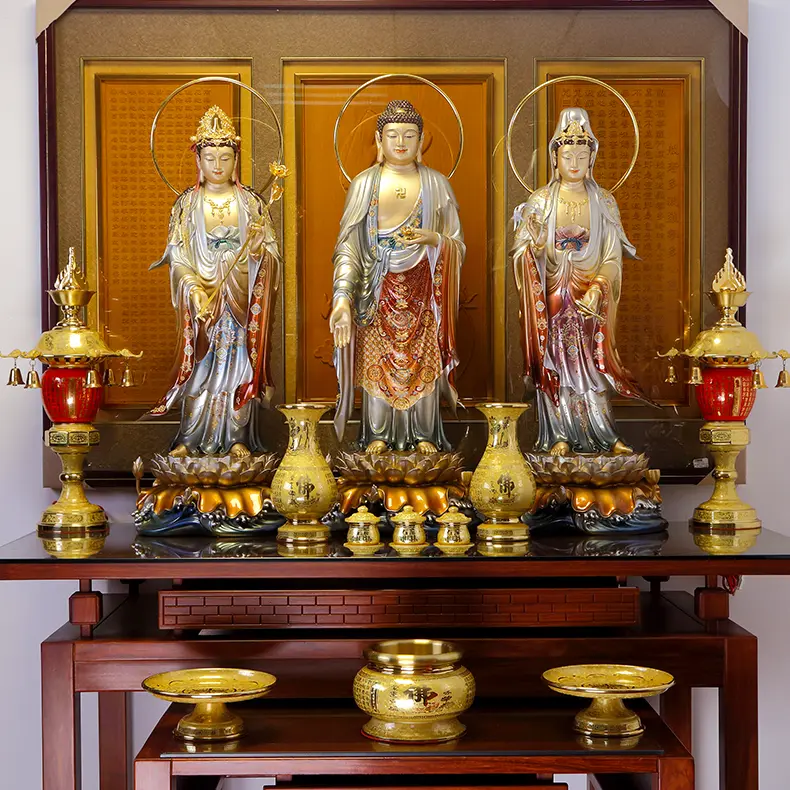
- Gently place the deities back onto the clean altar. The principal deity should always be in the center and, if possible, slightly higher than the others.
- Arrange other deities or spiritual figures in their correct hierarchical positions relative to the main one.
- This is the ideal time to place your annual Feng Shui cures. If you are using a Tai Sui plaque or amulet for 2026, place it in the year’s Tai Sui sector. For detailed instructions, you can read: How to Use Your 2026 Tai Sui Amulet Card: A Practical Guide to Placement and Taboos.
Milestone 4: Presenting New Year Offerings of Fruits and Flowers
The offerings you present are a physical representation of your gratitude and your hopes for abundance in the coming year. They should be fresh, vibrant, and beautiful.
- Arrange your fresh fruits on an offering plate. A pyramid shape is auspicious, symbolizing stable growth. Ensure there are no blemishes on the fruit.
- Trim your fresh flowers, remove any wilting leaves, and place them in a clean vase with fresh water. Flowers bring vibrant life energy (Sheng Qi) to the altar.
- Fill the three offering cups with fresh water or tea. This should be done just before the activation.
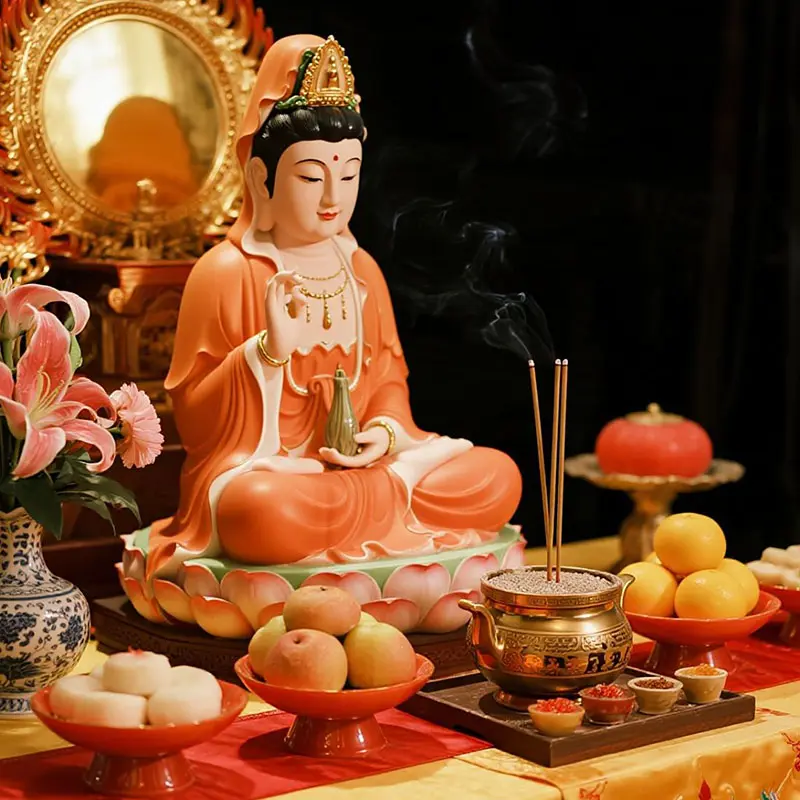
Milestone 5: The First Incense Lighting and Activation Prayers
This is the moment of consecration. This step is usually performed at an auspicious hour on Lunar New Year’s Eve or the morning of Lunar New Year’s Day. It officially ‘wakes up’ the altar for the year.
- Light the red candles or oil lamps on the altar to bring in the fire element and illuminate the space.
- Light three sticks of high-quality incense from the candle flame. Hold them respectfully in both hands at forehead level.
- Bow three times towards the altar. While holding the incense, state your full name, your address, and then your sincere prayers and aspirations for the Year of the Horse. Speak from the heart.
- Place the incense sticks into the incense burner. The rising smoke carries your prayers to the heavens. Allow them to burn out completely. This act formally welcomes the deities back and activates the altar’s energy.
Milestone 6: Maintaining Daily Respect and Altar Energy
An activated altar is a living part of your home’s energy field. It requires consistent, mindful attention to remain potent.
- Commit to a simple daily practice. At a minimum, light one or three sticks of incense each morning to honor the space.
- Keep the offerings fresh. Change the water in the cups and vase daily. Replace the fruit as soon as it begins to lose its freshness, typically every few days.
- Keep the altar surface clean and free from dust. A quick, gentle wipe (around the objects) every few days maintains its pristine condition.
The Feng Shui Logic: Optimal Altar Placement for 2026
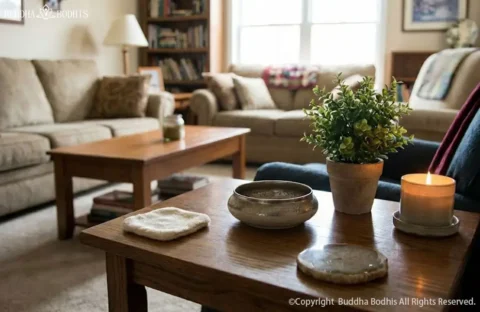
Where you place your altar is just as important as how you prepare it. Proper placement ensures it can effectively receive positive Qi and radiate blessings throughout your home. Many of our clients ask about the “best” spot, and the answer always involves a few key principles from classical Feng Shui, which you can learn more about from established institutions like the Feng Shui Society (UK).
- 🧭 Commanding Position: The altar should be placed against a solid wall, symbolizing stable support. It should have a clear, open view of the room (the “Ming Tang” or Bright Hall), but should not be directly facing the main entrance, as this can cause energy to rush in and out too quickly.
- 🛡️ Avoiding “Sha Qi” (Negative Energy): Certain locations emit harmful or draining energy. Never place an altar directly under an exposed overhead beam, which creates oppressive energy. It must not face a toilet or bathroom door, and its back should not be against a kitchen stove or a bed’s headboard.
- 📏 Respectful Height: The surface of the altar should be at a respectful height, ideally at or above the chest level of an average adult. This ensures the deities are looking out over the household, not being looked down upon.
- 🐴 2026 Specifics: Each year, the “Flying Stars” shift, changing the energy map of every home. Placing your altar in a sector with an auspicious star for 2026 can greatly amplify its positive influence. We encourage you to explore 2026 related guides to identify these fortunate sectors in your home.
| Altar Placement Location | Feng Shui Effect | Recommendation |
|---|---|---|
| Against a solid wall in the living room, overlooking the space. | Excellent (Auspicious): Creates a commanding position, allowing the altar to bless the entire household’s energy. Stable and respectful. |
✅ Highly Recommended |
| In a dedicated, quiet room or study. | Excellent (Auspicious): Provides a serene, focused environment for spiritual practice, free from household distractions. |
✅ Ideal for deep practice |
| Directly facing the front door. | Poor (Inauspicious): The “Qi” rushes in and out too quickly, creating instability. It can feel confrontational for the deities. |
❌ Avoid |
| Under an exposed overhead beam or staircase. | Very Poor (Inauspicious): Creates oppressive “Sha Qi” that symbolically “presses down” on the deities and your intentions. |
❌ Strongly Avoid |
| Facing a bathroom, kitchen, or bedroom. | Very Poor (Inauspicious): Draining (bathroom), clashing fire energy (kitchen), or inappropriate mundane energy (bedroom). It is considered disrespectful. |
❌ Strongly Avoid |
Critical Altar Taboos: What to Avoid for a Potent 2026
Observing taboos is about maintaining the sanctity of your altar. Avoiding these common pitfalls ensures the energy you cultivate remains pure, potent, and respectful. Think of it as spiritual hygiene.
If you remember only one rule, let it be this: NEVER use an old, dirty, or common household rag to wipe your deities. This is considered highly disrespectful. Always use a brand new, soft towel that is dedicated solely for this sacred purpose. Store it separately and use it
only for the annual cleaning.
- 🥀 **AVOID** presenting wilted flowers, spoiled or rotting fruit, or stagnant, unchanged water. Your offerings are a direct reflection of your sincerity; they must be fresh and vibrant.
- 🚽 **DO NOT** position the altar in a compromised location. The energy of a space directly under a staircase, beneath a structural beam, or facing a toilet door is fundamentally unsuitable for sacred practice.
- 🗣️ **REFRAIN** from arguing, using foul language, or engaging in intimate acts in the direct vicinity of the altar. The area immediately around it should be treated as a sacred zone of peace. Never point the soles of your feet towards the altar.
- 🔑 **NEVER** place mundane, non-sacred items on the altar surface. This includes house keys, mail, bills, shopping bags, phones, or any other everyday objects. The altar is not a storage shelf; it is a portal for spiritual connection.
Altar Maintenance: Upholding Sacred Energy Throughout 2026
Your relationship with your altar doesn’t end after the New Year’s setup. Consistent care keeps its energy alive and responsive. Here is a simple schedule we recommend to our clients to maintain a high-vibrational sacred space.
- ☀️ **Daily:** Change the water in the three offering cups and in the flower vase. Light at least one stick of incense in the morning to greet the day and honor the deities.
- 🍎 **Bi-Weekly/Weekly:** Replace the fruit offerings before they show any signs of decay. You can mindfully consume the previous offerings if they are still fresh, seeing it as receiving blessings.
- 🧼 **Monthly:** Perform a light dusting of the altar table and objects. You do not need to move the deities for this. Simply use a soft, clean duster to gently clean around them.
- ⚠️ **Signs a Refresh is Needed:** If the altar space begins to feel heavy, looks dusty, or you find yourself consistently forgetting the daily rituals, it’s a sign the energy is becoming stagnant. Perform a mini-refresh: replace all offerings (water, fruit, flowers) and re-state your intentions with three sticks of fresh incense.
Frequently Asked Questions About Home Altar Preparation
We receive many questions about the nuances of this beautiful tradition. Here are answers to some of the most common queries we encounter.
What if I can’t find fresh pomelo leaves for cleansing?
This is a very common issue, especially outside of Asia. A wonderful and respectful alternative is to use high-quality, pure pomelo leaf essential oil. Simply add a few drops to your basin of clean water. The purifying properties and intent are what matter most.
I live in a small studio apartment. Where is the best place for my altar?
In a small space, intention is more important than grandeur. Find a quiet, respectful corner against a solid wall. A sturdy, high shelf or a dedicated small cabinet can serve as a powerful altar space. Ensure it adheres to the key rules: not against a bathroom/kitchen wall and not under a beam. The sincerity of your practice transcends the size of your space.
How many types of fruit should I offer?
In Chinese numerology, odd numbers are generally considered yang and are therefore auspicious for offerings. We recommend offering 3 or 5 types of fruit. Focus on fruits that are round and have vibrant colors, as they symbolize wholeness, prosperity, and a bountiful harvest.
What is the best time of day to perform the first incense lighting?
An auspicious hour on Lunar New Year’s Day is traditional. The “hour of the dragon” (辰時), which is from 7:00 AM to 9:00 AM, is often considered highly favorable for prayers and new beginnings. However, any hour during the morning of New Year’s Day when you can be peaceful and focused is excellent.
Can I use an altar or statues I inherited?
Absolutely. It is very auspicious and a wonderful way to honor your lineage. However, it is crucial that you perform the sacred cleansing ritual (Milestone 2) with extra care and intention. This respectfully clears the energetic imprints of the past and consecrates the altar for your own household’s intentions and blessings for 2026. For deeper insights into classical methods, you can explore resources like Imperial Feng Shui.
Welcome a Prosperous 2026 With Mindful Intent
Your home altar is the spiritual heart of your home, a dedicated space for peace, reflection, and connection. Preparing it with mindfulness, respect, and clear intention is the most powerful first step you can take to align your personal energy with the prosperous and dynamic energies of the 2026 Year of the Horse. This annual ritual sets the foundation for a year of blessings, protection, and abundance.
By following these steps, you are not just cleaning a piece of furniture; you are actively participating in a timeless tradition that renews your spirit and sanctifies your living space. May your efforts bring boundless good fortune, health, and happiness to you and your loved ones in the coming year.
Disclaimer: Spiritual traditions are cultural frameworks and not substitutes for professional medical, legal, or financial advice.

Cultural Researchers & Feng Shui Practitioners. We have been exploring traditional year-based wisdom and spiritual symbolism since 2020.